
Chiedza Rwodzi - Strangers and Revelations-THEATRE
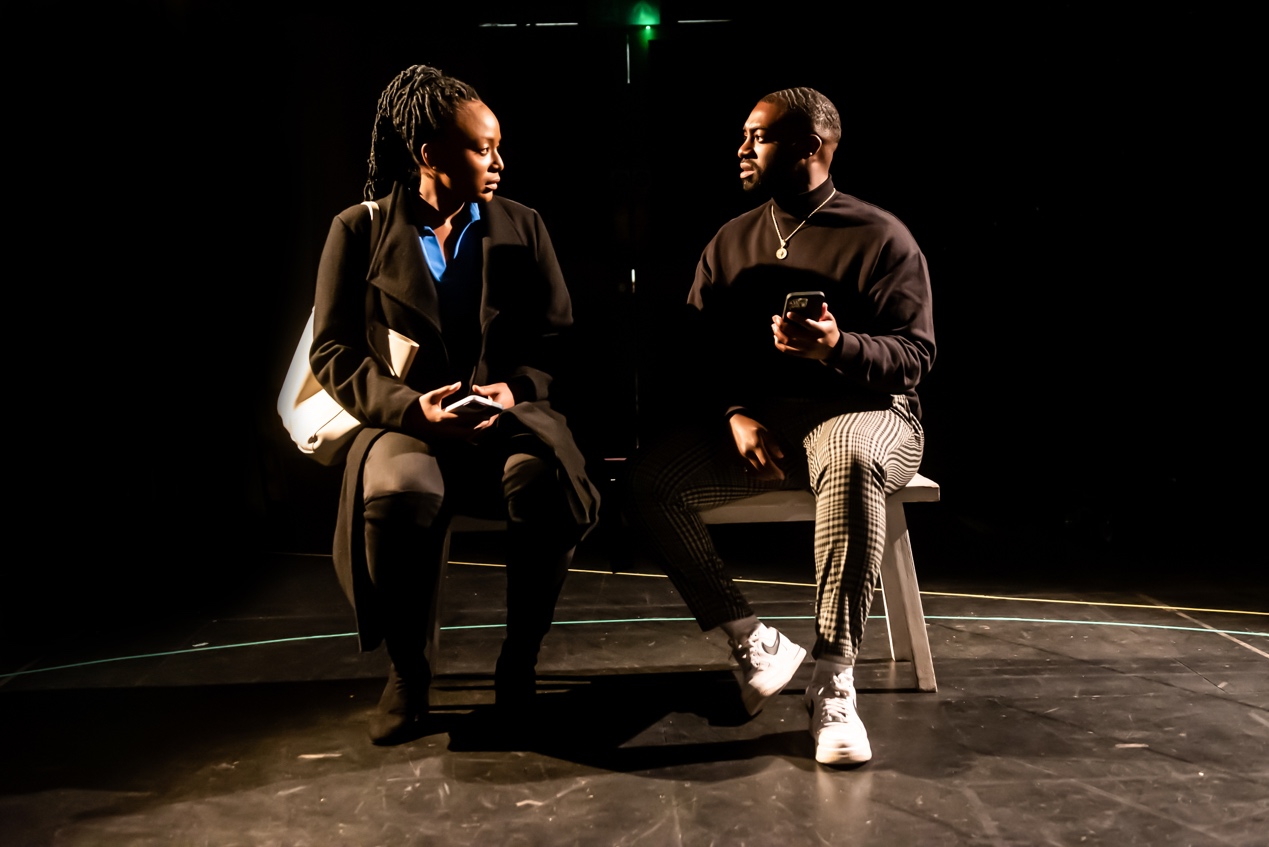
Review
Strangers and Revelations is an intimate two-hander that dares to explore complex questions of identity, faith, and trauma through the lens of diasporic experience. What makes the work stand out is its commitment to balance: the play deliberately presents both sides of the argument, allowing each character’s perspective to carry equal weight.
Zodwa and Malcolm’s encounter—beginning as a seemingly ordinary date—unfolds into a charged debate on love, spirituality, mythology, and the scars of migration. Their dialogue never tips into caricature or easy judgment; instead, each side is given space to breathe, interrogate, and reveal. The result is a drama that feels less like polemic and more like a conversation the audience is invited to witness and wrestle with.
Awarded the Personal Achievement Award, Strangers and Revelations was recognised for its ability to hold contradictions in tension—creating a space where multiple truths can exist at once, and where difficult topics are treated with nuance, empathy, and depth.
Synopsis
'People can be strange and scary and complicated, up and down like the tides…' Zodwa and Malcolm, two Zimbabweans in London who meet for their first date in unusual circumstances: at Malcolm’s house. They size each other up, connecting and debating over shared cultural understandings and experiences, ultimately revealing more about themselves than they bargained for once they start to uncover deep, staggering truths about the other. The debut play by Zimbabwean playwright Chiedza Rwodzi, Strangers and Revelations is a striking and provocative exploration of relationships (between men and women), mythology and trauma through an African lens.